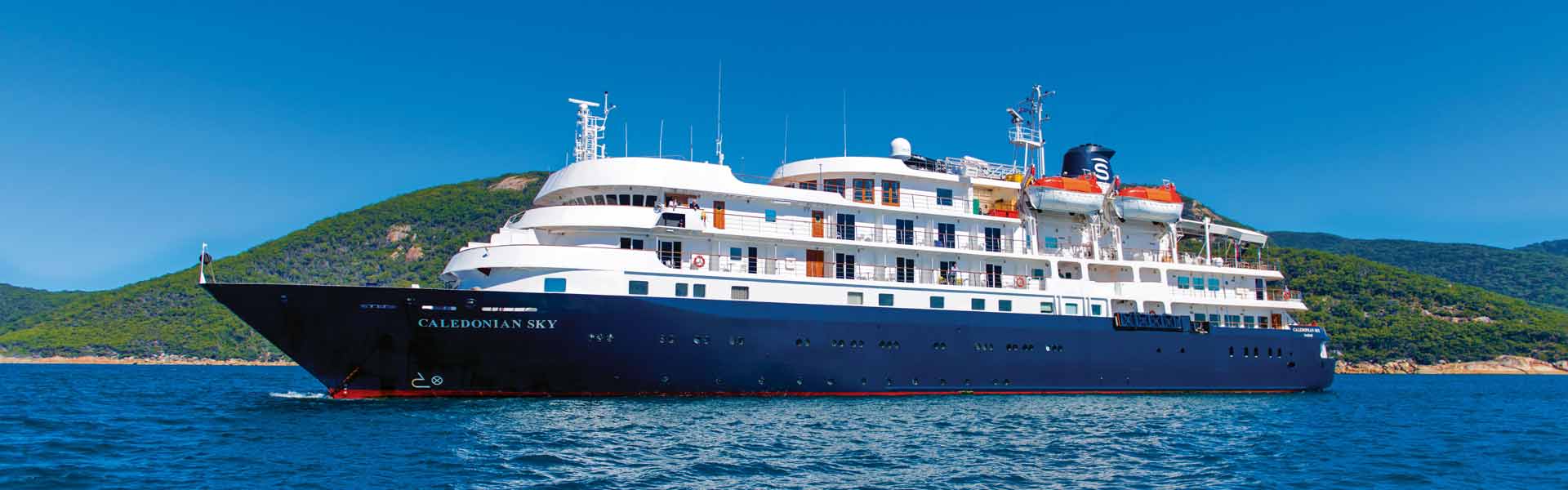
Per Adult From $4,462* Twin Share Norther Yarasawa Islands Cruises
4 Nights Cruise + All meals - breakfast, lunch, and dinner + Guided island, village, school, and shore excursions + Kava ceremony and tropical lovo feast in the villages
Return private car transfer
 4 Nights Cruise
 All Meals
 Ocean Program
 Kava Ceremony
Book with Confidence with Hideaway Holidays! We understand you are naturally concerned about travelling due to COVID-19.... We, as well as some of our hotel suppliers and selected airlines are supporting you and have relaxed cancellation and amendment policies which means you can amend and change your travel plans if required once booked. Take advantage of amazing South Pacific airfares and deals now for your future travels #PlanNowTravelLater
Contact our team on 1300 991 751 to discuss which hotels and airlines are relaxing their policies to enable you to book with confidence!
With Hideaway Holidays, travellers have the choice of exploring South Pacific on a relaxed, comfort-filled cruise to Fiji with Blue Lagoon Cruises & Captain Cook Cruises, Cook Islands, Tahiti and Her Islands with Aranui Cruises and more. Our season's choicest cruise packages can accommodate all itineraries and requirements – such as short day-trips, longer island-hopping cruises, mix-and-match with resort stays, etc.
Holiday Packages: One of our bestselling combinations, this includes cruises to Yasawa and remote Fijian island along with pre-/ post-cruise stays at iconic Fijian resorts. Call our South Pacific Specialists or fill out the Enquiry Form to know more about our 4 Nights/ 7 Nights package with stays at the Novotel Nadi, Radisson Blu along with cruises to the Yasawas.
Family Packages: Take the family on a memorable Tahiti cruise with our all-inclusive family cruises. Each of our bestselling 4/7/9-night family cruises include meals, drinks, activities, pre-/ post-cruise accommodation, transfers and a whole lot of fun. Visit the Yasawa islands with unique activities and experiences set out for each day such as visiting unspoilt sandy beaches, Fijian villages and cultural shows, etc. Or, sail down the Marquesas Islands and discover natural beauty untouched by man and machine for centuries...
Honeymoon Packages: For post-wedding getaways, places like Cook Islands, Tahiti, Fiji and New Caledonia are some of the best destinations in the world. Check out our holiday cruise packages for 3/4/7 nights in Fiji, Tahiti, Cook Islands and add on our Romance deals to make your trip extra-special. Alternately, just call our Specialists on 1300 991 751 to create a bespoke itinerary for your honeymoon.
Check out 2024 - 2025’s hottest South Pacific cruise deals right now! Hideaway Holidays has cherrypicked the choicest all-inclusive Fiji and Tahiti cruises to the best of islands and paired them with stops at fabulous luxury resorts for the discerning cruise traveller. Take your pick of our 4-night cruises, extended 7-night itineraries or longer cruises (with discounts for limited time only, so hurry!).
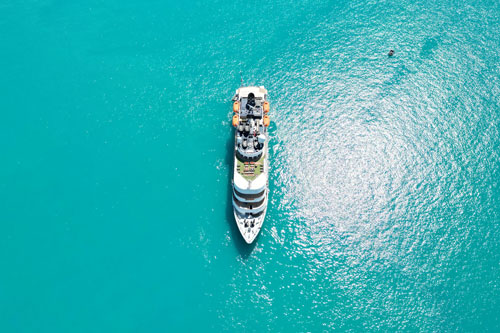
3 Nights Cruise to the Mamanuca & Southern Yasawa Islands!
Book by: 22 Dec 2024


Per adult (2A) from $3,243

4 Nights MS Caledonian Sky Cruise Package with Transfers, Meals & More!
Book by: 25 Dec 2024


Per adult (2A) from $4,323
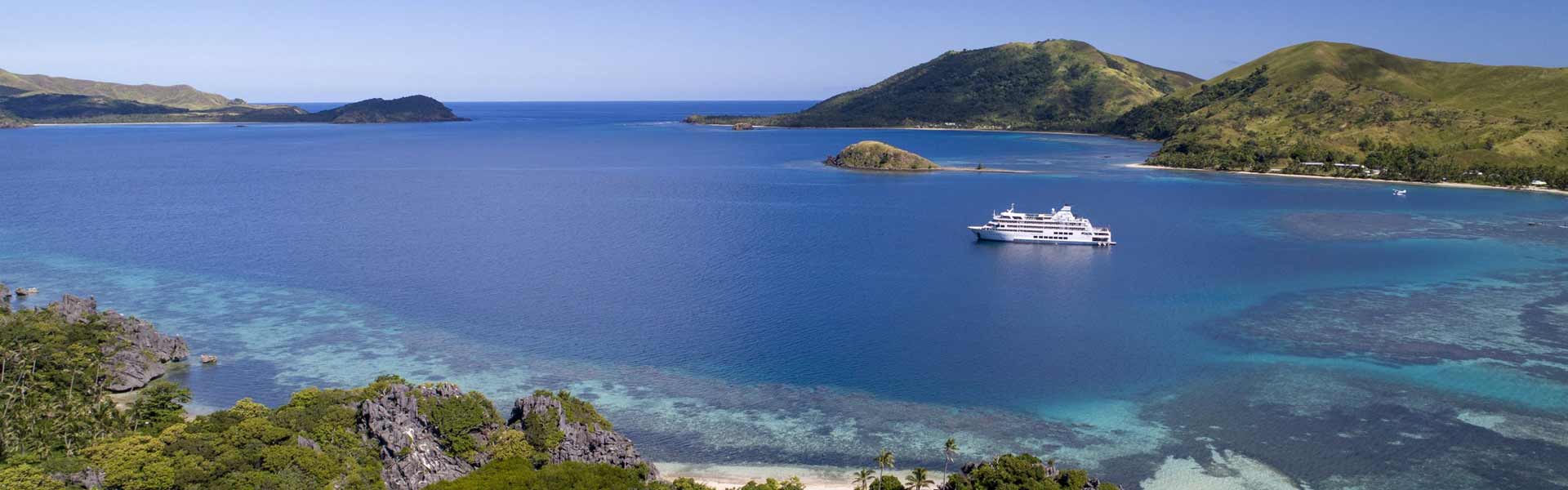
7 Night Cruise in the Mamanuca & Yasawa Islands!
Book by: 22 Dec 2024
Per adult (2A) from $7,565
14 Nights Cruise Package w/ All Meals, Activities & More!
Book by: 31 Jul 2024
Per adult (2A) from $15,130

The Remote North Discovery 7 Nights Cruise Package with All Meals, Activities & More!
Book by: 15 Dec 2024
Per adult (2A) from $7,565

6 Nights Cruise Package w/ Transfers, Activities and More!
Book by: 26 Dec 2024


Per adult (2A) from $19,062
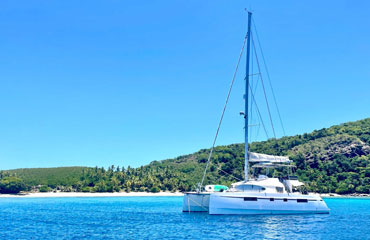
6 Nights Paradise Escape Cruise Package w/ Transfers, Activities & More!
Book by: 26 Dec 2024
Per adult (2A) from $26,211

10 Nights Austral Islands Discovery Cruise w/ All Meals & More!
Book by: 31 Aug 2024

Per adult (2A) from $6,219

Get in Contact
Request a callGet exclusive access to discounts and deals - Enter your email address, subscribe to our mailing list and earn a $50 voucher to use against your first booking!